All work
UX case study by Shazil Sohel

Homeowners pay builders in stages. Aleaf lets them see each stage is done before the money moves.

The phone is a working prototype. Log in, review the Frame stage, hold to release the payment, raise an issue, chat with a trade or try a finish in Studio. Everything you change carries through the app.

Role
Research, UX and UI, branding
Type
Self-initiated concept
Platform
iOS and Android
Tools
Figma, Illustrator

See every stage before you pay for it

New to Aleaf?

Good morning,
Sarah
Find a trade
Try it before you agree to it
My projects
Active
Completed
Brunswick extensionHanded over Mar 2026Record saved
Coburg deck and balustradeHanded over Nov 2025Record saved
Lot 14, Brunswick East
Reynolds Building · Contract $640,000
Stages
Your team
James ReynoldsBuilder
Bayside SurveyingIndependent inspectionsVerified
Latest
    Frame · Stage 3 of 6
    Frame stage evidence
    Submitted 21 Oct by James Reynolds
    Independent inspectionPassed
    Bayside Surveying, 21 Oct. Certificate attached.
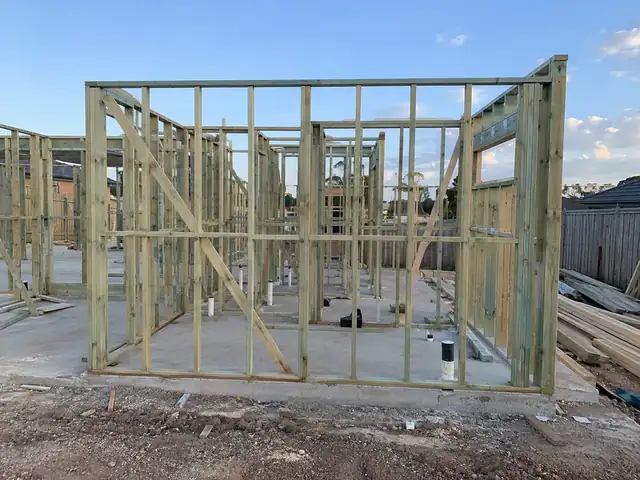
    Tap a photo to see which part of the plan it proves.
    Wall frames match plan A-03
    Roof trusses match plan S-02
    Bracing to engineer's spec
    Homeowner
    Release the Frame payment?
    Amount for this stage (15%) $96,000 Held since 12 Sep · goes to Reynolds Building
    Paid so far$96,000
    After this payment$192,000
    Raising an issue pauses this payment only. James sees what needs fixing and resubmits.
    Press and hold so a payment is never released by accident
    Frame stage approved
    $96,000 released to Reynolds Building
    Saved to your home record
    12 frame photos
    Frame inspection certificate
    Your approval, 22 Oct
    Next: Lock-upDue Dec
    Frame stage
    What needs fixing?
    Pick everything that applies. James gets this as a checklist.
    The $96,000 stays held. Every other part of the job carries on as normal.
    Verified trades
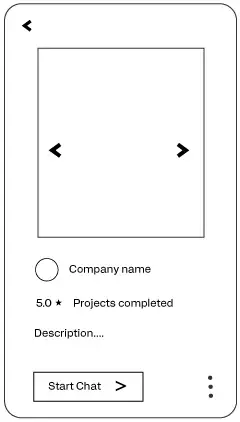
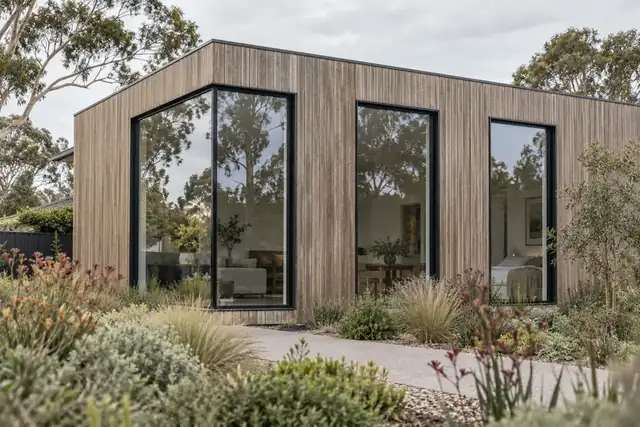
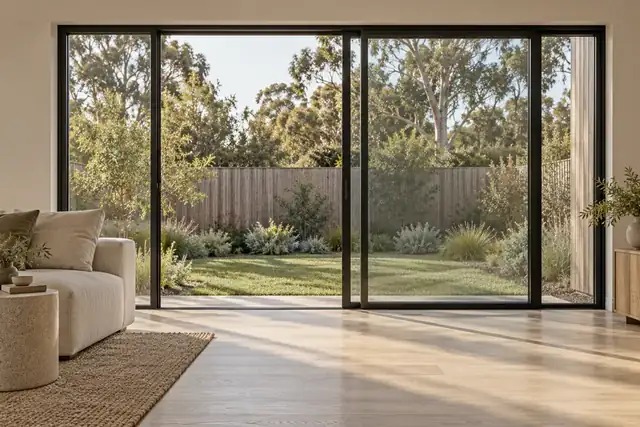
    Timber-clad house with black aluminium windowsBlack aluminium sliding doors opening to a gardenClose-up of a mitred black window frame corner
    PrecisionAluminium framing and joinery
    4.626 reviews 500projects Verifiedlicence, insurance

    Custom window framing for any style of house. We use high-quality materials and can paint frames in a range of styles and textures.

    Recent review
    “Every frame matched the window schedule and they uploaded photos of each opening before sign-off.” Homeowner, Northcote
    James ReynoldsReynolds Building
    Your living room seen through the camera
    1,800 mm
    1,500 mm
    Drag the fireplace to move it, or drag a stone onto it
    Immersive Studio · AR
    Stone surroundBluestone
    Width
    Ledger
    Lot 14 · contract $640,000
    Released
    Held
    To come
    Money is held in a trust account from the start, and moves only when you approve a stage.
    Builder view
    Submit Frame stage
    Lot 14, Brunswick East · Stage 3 of 6
    Required evidence4 of 4
    Frame photos, all 4 elevations (12)
    Frame inspection certificate
    Truss layout matches approved plan
    Variations this stage: none
    Stage payment held$96,000
    Jump to
    Why I started

    My family paid for stages that never got finished

    When my family built our home, we paid the builder at each stage as agreed. Several of those stages weren't complete. We had no easy way to check before paying, and by the time we found out, the money was gone and the fix cost more again.

    Underneath the money was a quieter worry: was the work any good? Stories of rushed builds, cut corners and hidden defects make every homeowner nervous, and most have no construction knowledge to judge for themselves.

    The question I took into the project: how can homeowners get transparency, accountability and confidence while their home is being built?

    Research

    20 homeowners, one recurring story

    I interviewed and surveyed 20 people who had recently built a home or done a major renovation. Most had little or no construction experience and relied completely on their builder and contractors.

    Their concerns clustered around four things: trust, delays, cost and build quality. The common thread was that progress was invisible until it was too late to do anything about it.

    “I feel like I’m constantly chasing updates. One day it’s an email, the next it’s a call, or I have to physically visit the site just to know what’s happening.”Homeowner, new build
    “We paid them, and then they just disappeared. The project was half-finished, and we had to spend even more money to fix the mess they left behind.”Homeowner, renovation
    “How do I know if they’re actually following the agreed plan? There’s no real way to verify if the materials are what we paid for.”Homeowner, new build
    “Everything seemed built for professional contractors, not homeowners. I just want a simple way to stay in control of my own project.”Homeowner, new build
    “We were given a six-month timeline, but the project dragged on for over a year. Every time we asked, we got vague excuses.”Homeowner, new build
    Who it's for

    Two sides of the same payment

    Homeowners don't trust builders, and good builders get paid late because of it. A fix has to work for both, so I designed for a homeowner and a small builder together.

    Sarah Mitchell

    First-time homeowner, Sydney, 35

    “I just want to make sure our home is being built properly, without needing to be a construction expert.”

    Needs

    • Pay only when a stage is properly complete
    • See progress without visiting the site
    • Verified builders with a real track record

    Frustrations

    • Chasing updates across calls, texts and email
    • Fear of paying for unfinished work
    • No way to check quality until it's too late
    James Reynolds

    Small builder, Melbourne, 15+ years

    “Not all builders are out to scam people. I just want to prove my work is good and get paid fairly.”

    Needs

    • A clear way to show a stage is finished
    • Payment released on time once it is
    • Fewer disputes and less back-and-forth

    Frustrations

    • Clients distrust him because of other builders
    • Payments held up by hesitant homeowners
    • Mid-project changes that turn into arguments
    First version

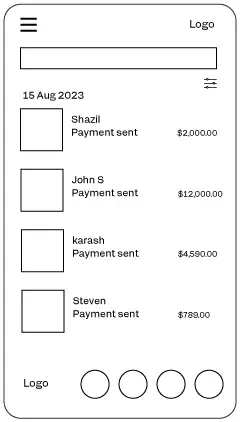
    The first design tracked the build but not the money

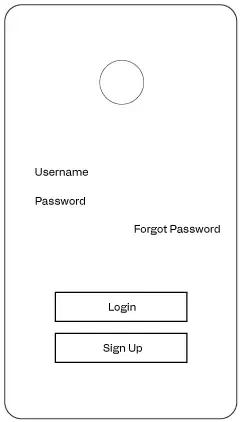
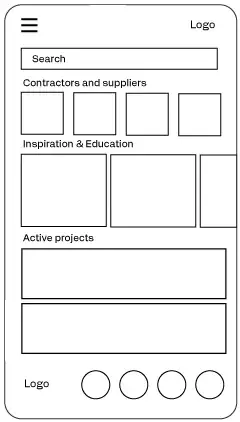
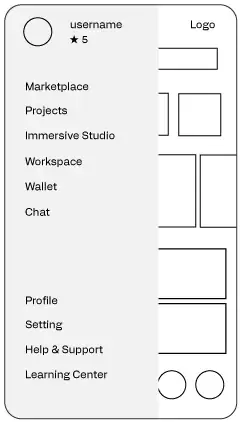
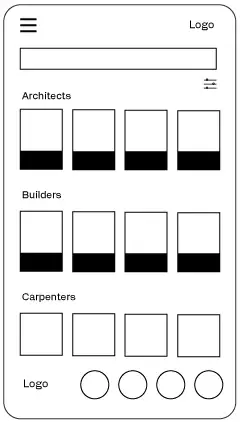
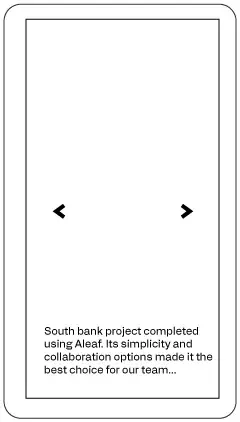
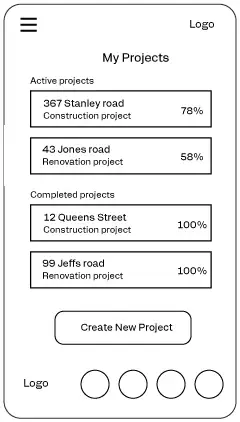
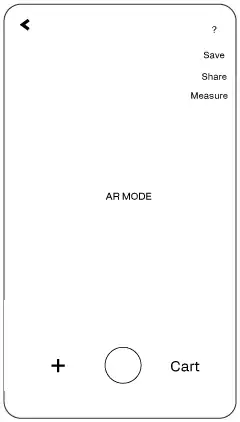
    The first version covered a lot of ground: a dashboard of active projects with progress bars, verified contractor profiles, chat, an AR studio for previewing finishes, and a wallet of past payments.

    Scroll to step through each wireframe and see what it became.

    Looking back at it against the research, the most important need was missing. Sarah's top request was to pay only when work is done properly. The wallet only showed payments after they had gone out.

    1 of 10 wireframes

    Splash

    One mark and one way in.

    In the final appThe tagline now says what Aleaf does: see every stage before you pay for it.

    Wireframe: SplashWireframe: Log inWireframe: HomeWireframe: MenuWireframe: Trade directoryWireframe: Business profileWireframe: Project storyWireframe: My projectsWireframe: AR modeWireframe: Payments
    What v1 showed

    A payment history. “Full payment sent” appeared after the money had already left.

    What people needed

    A checkpoint before each payment, where the homeowner reviews evidence and decides.

    Version two

    Stage sign-off

    Australian building contracts already pay in fixed stages: deposit, base, frame, lock-up, fixing and completion. Aleaf turns each one into a checkpoint. The builder submits evidence, the homeowner reviews it, and the payment for that stage releases only on approval.

    The money sits in a held account from the start, so the builder knows it's there and the homeowner knows it won't move until they say so.

    ‹ Lot 14Builder view
    Submit Frame stage
    Lot 14, Brunswick East · Stage 3 of 6
    Required evidence4 of 4
    Frame photos, all 4 elevations (12)
    Frame inspection certificate
    Truss layout matches approved plan
    Variations this stage: none
    Stage payment held$96,000
    Submit for review
    Homeowner
    Lot 14, Brunswick East
    Reynolds Building · Contract $640,000
    Frame stage is readyReview
    James submitted evidence today. Review by Fri 24 Oct, or it's flagged as overdue to both of you.
    DepositPaid
    BasePaid
    FrameHeld
    Lock-upDec
    FixingFeb
    CompletionApr
    Review evidence
    ‹ BackHomeowner
    Frame stage evidence
    Submitted 21 Oct by James Reynolds
    Independent inspectionPassed
    Building surveyor, 21 Oct. Certificate attached.
    12 photos · tap any photo to see the plan detail it matches
    Wall frames match plan A-03
    Roof trusses match plan S-02
    Bracing to engineer's spec
    Continue
    ‹ EvidenceHomeowner
    Release the Frame payment?
    Amount for this stage (15%) $96,000 Held since 12 Sep · goes to Reynolds Building
    Paid so far$96,000
    After this payment$192,000
    Raising an issue pauses this payment only. James sees exactly what needs fixing and resubmits.
    Approve and release $96,000Raise an issue
    Homeowner
    Frame stage approved
    $96,000 released to Reynolds Building
    Saved to your home record
    12 frame photos
    Frame inspection certificate
    Your approval, 22 Oct
    Next: Lock-upDue Dec
    Back to project
    Contract view

    Where every dollar sits

    The wallet becomes a contract ledger. Instead of a list of payments already made, it shows the whole contract: what's been released, what's held waiting for review, and what's still to come.

    Switch between the two states to see the Frame payment move once Sarah approves it.

    Lot 14, Brunswick East

    Example contract of $640,000 using the standard Victorian new-home stages

    Released to builder
    $0
    Held, waiting for review
    $0
    Still to come
    $0
    ReleasedHeldUpcoming
    StageShare of contractAmountStatus
    Revisions

    What changed from version one

    Reviewing the project with fresh eyes turned up problems a hiring manager or a real user would spot. Each fix below is reflected on this page.

    Payments

    BeforeA wallet listing money already sent.

    AfterA sign-off step before each stage payment, plus a ledger of released, held and upcoming money.

    Builder side

    BeforeA full builder persona with no screens of his own.

    AfterA stage submission screen with a required evidence list.

    Research quotes

    BeforeThe same three quotes on two slides, under different faces.

    AfterFive distinct quotes shown once, without stock portraits.

    Progress

    BeforeA percent-complete bar the builder could set to anything.

    AfterProgress measured in contract stages, each one backed by evidence.

    Scope

    BeforeA Buy Now marketplace for products inside the AR studio.

    AfterShopping cut. AR stays as a way to preview changes before they're agreed.

    Visual system

    BeforeText as small as 7px, grey on charcoal, progress shown only as a percentage.

    AfterOne type scale with an 11px floor, status in coloured chips, and motion that confirms each action. Every screen at the top of this page uses it.

    Details

    BeforeDates from 2023 and 2025 side by side, service labels that didn't match their icons, typos.

    AfterOne consistent example project, matching labels, copy proofread.

    Next step

    Testing the sign-off flow

    The next round is a moderated usability test of the five-step flow with five homeowners who have built in the last two years, and two small builders.

    Status: planned, not yet run. Results will replace this section.

    TaskWhoSuccess looks likeTarget
    Tell me how much you've paid and what's still heldHomeownerReads both numbers from the ledger without help5 of 5
    Decide whether to approve the Frame stageHomeownerOpens the inspection result before deciding4 of 5
    You think a wall is wrong. What do you do?HomeownerFinds Raise an issue and knows the rest of the job continues4 of 5
    Submit the Frame stage for paymentBuilderCompletes the evidence list in under 5 minutes2 of 2
    How confident are you the money will arrive?BuilderRates 4 or 5 out of 5 and says why2 of 2
    Reflection

    What I'd tell myself at the start

    The first version tried to be everything a homeowner might want: a marketplace, a social feed, AR, chat. The research pointed at one moment that mattered more than all of them, the moment before money changes hands.

    Designing that moment for both sides also changed how I saw the builder. James isn't the threat in this story. A clear evidence list protects him from vague complaints in the same way it protects Sarah from unfinished work.

    If Aleaf went further, I'd test it with builders first. They decide whether a homeowner is ever invited to use it.